Welcome to Bright Orange Studio
Exploring Early Childhood STEM Education
Exploring Early Childhood STEM Education
Math & Fine Motor Skills
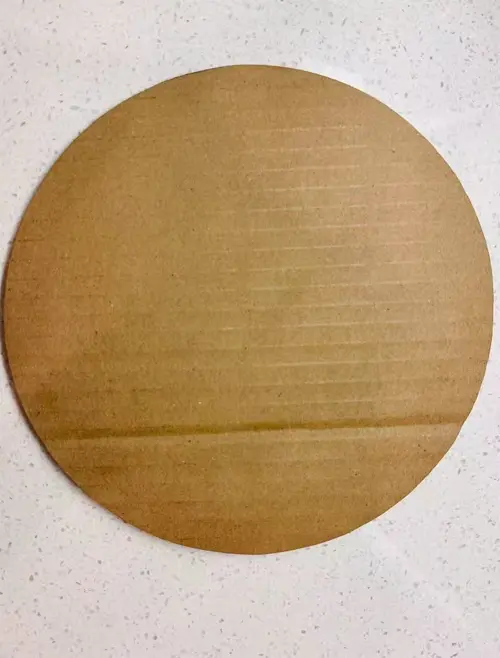
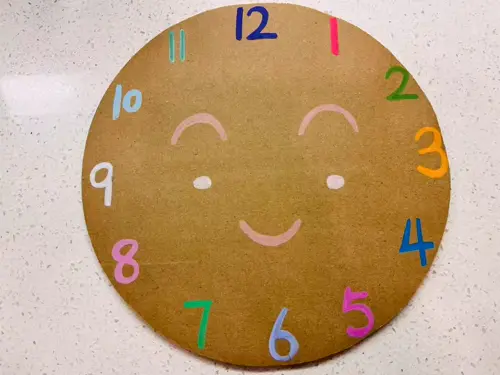
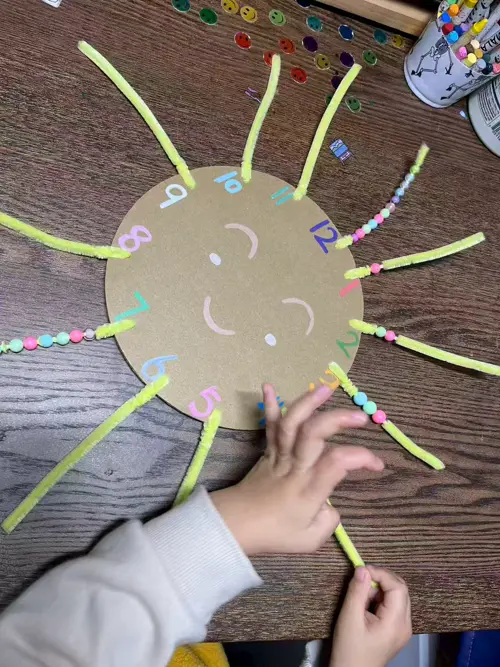
Cut a circle out of cardboard. Draw a cute face in the center and write numbers 1-12 around the edge like a clock.
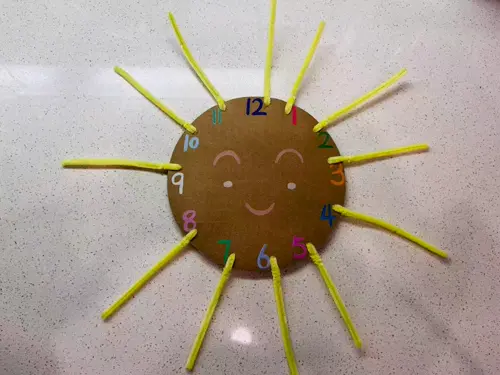
Glue or tape a yellow pipe cleaner next to each number to represent sun rays.
Look at a specific number on the sun clock (e.g.,number 5) and count out the corresponding number of beads.
Thread the beads onto the pipe cleaner next to that number.
💡 Example: Find the number 3, pick 3 beads from the pile, and thread them onto the ray. Repeat for
all numbers to complete the sun!
Coming soon...
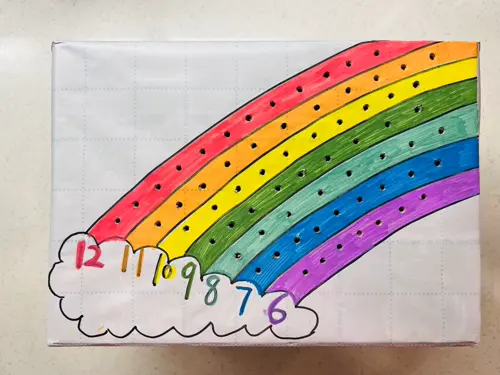
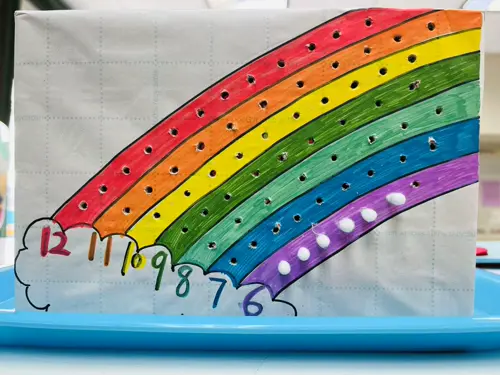
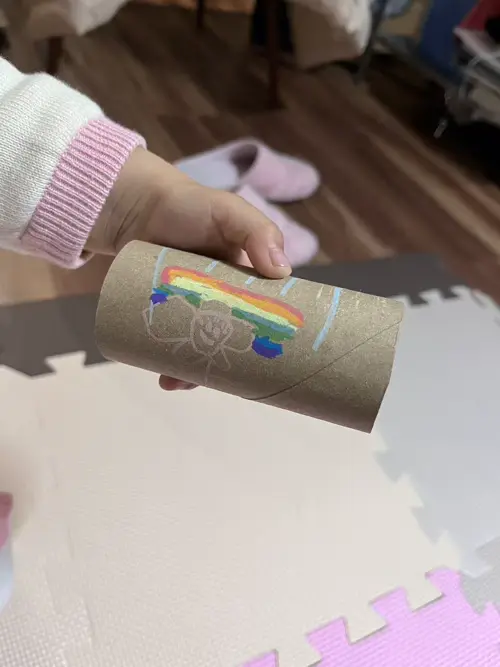
Draw a rainbow with colored stripes on the cardboard surface. Add cloud shapes at the bottom of the rainbow legs.
Write a number at the base of each stripe inside the cloud. In this activity, the numbers range from 6 (inner purple stripe) to 12 (outer red stripe).
Punch holes along each colored stripe.
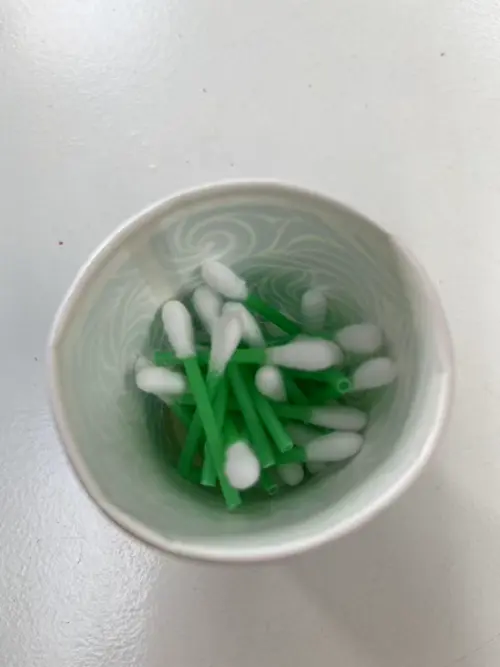
Place the cotton swabs in a cup. Have the child pick a color, identify the number, and insert the
corresponding amount of cotton swabs into the holes.
💡 Tip: This is great for fine motor skills!
Coming soon...
✨Color Sorting and Writing Activity
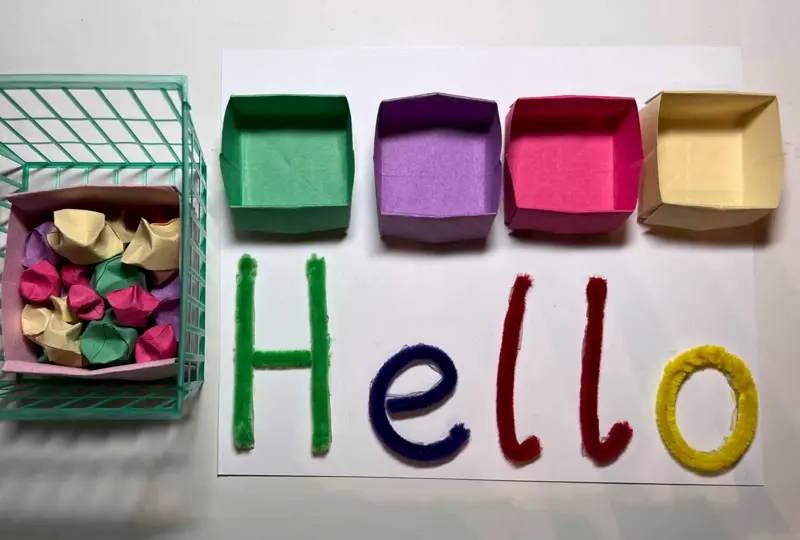
Use the origami paper to fold colored paper boxes and paper stars. Set these items aside for later use.
Use the flexibility of the pipe cleaners to shape the letters for the word "Hello":
H (Green), e (Purple), l (Red),
l (Red), o (Yellow).
First, glue the "Hello" letters onto the cardboard in the correct order (Green H, Purple e, Red l, Yellow o). Next, glue the paper boxes directly above the corresponding letters (matching colors). Finally, place the loose paper stars in a suitable container nearby.
It is September now, and our theme is "Neighbor." Do you know what a neighbor is? Yes, a neighbor is someone who lives next to you. When you go out and see your neighbor, what do you say to them? Yes, we say things like "Good morning" and "Hello."
Number & Food Matching Activity
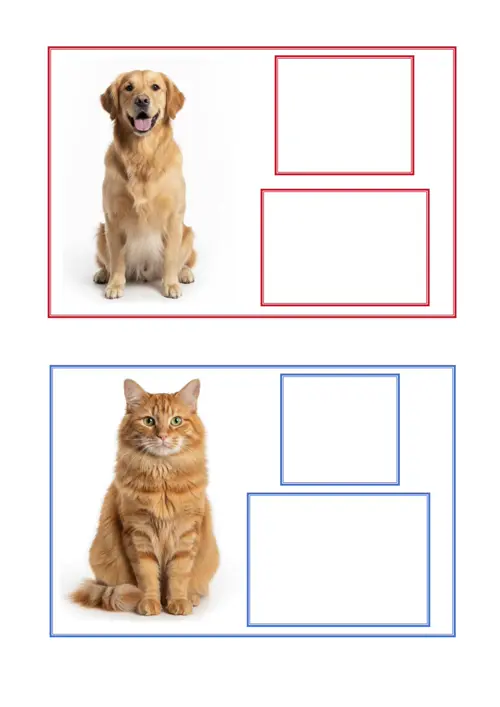
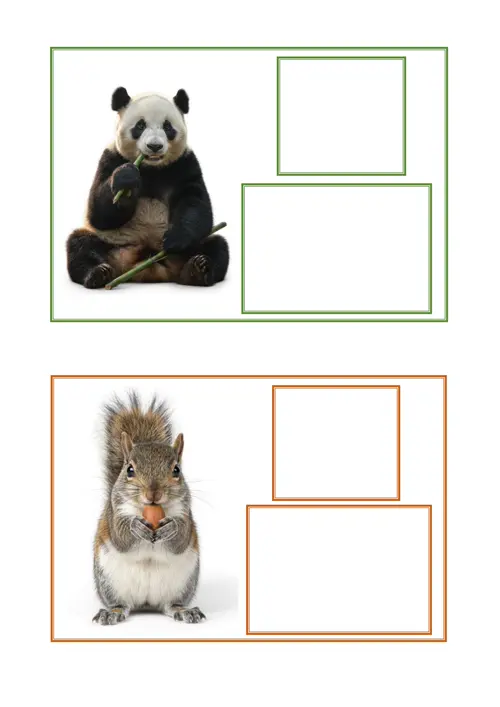
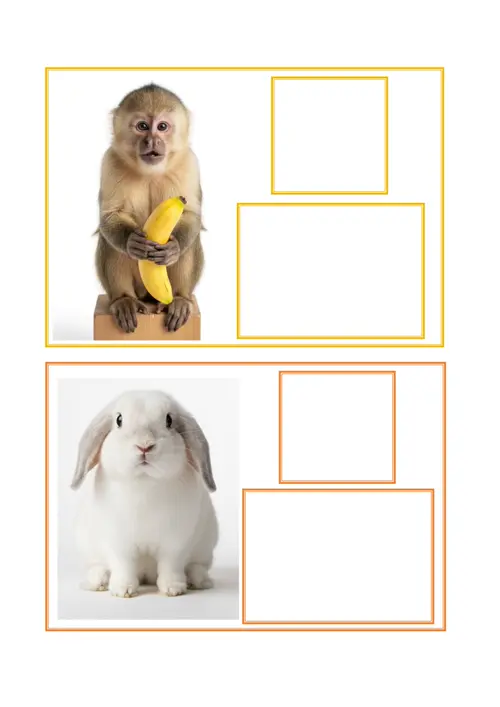
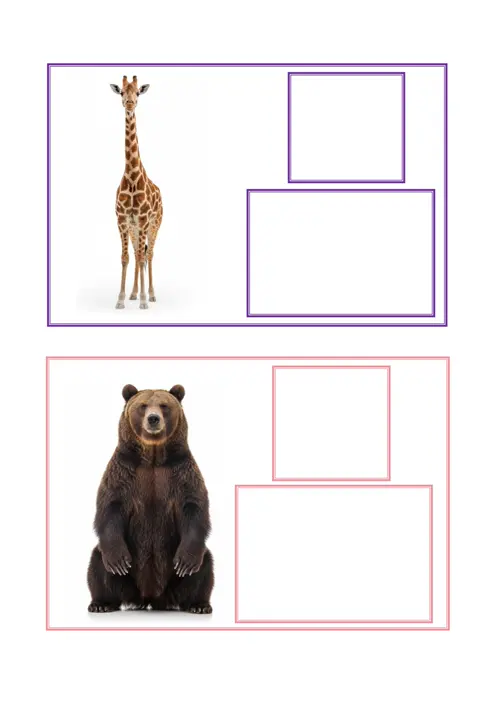
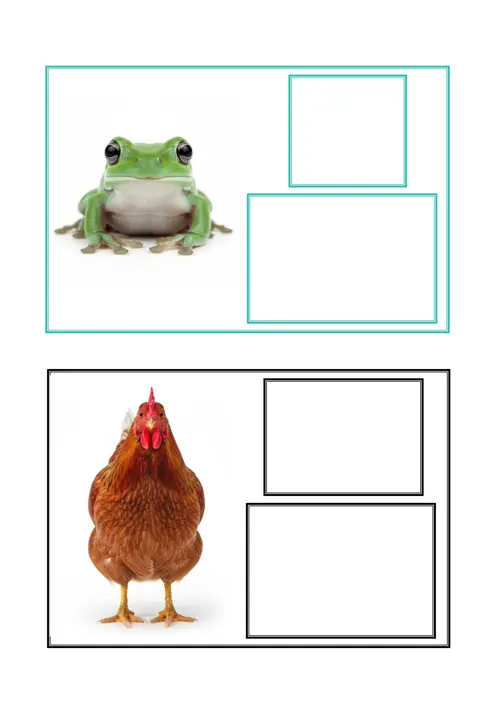
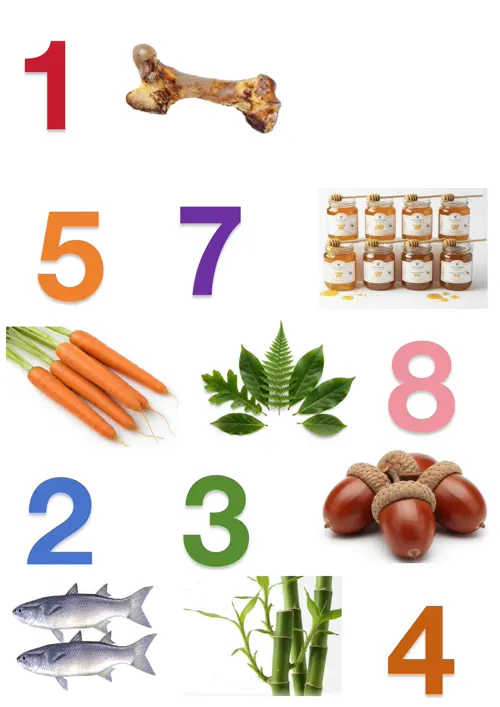
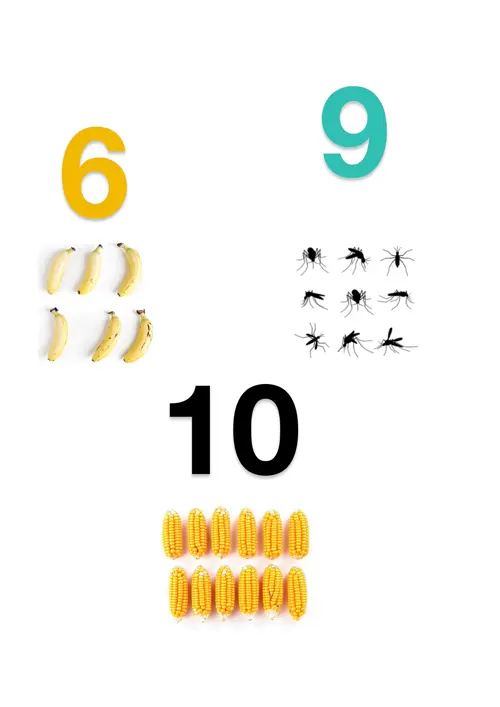
Randomly select an animal card.
Figure out what this animal likes to eat, then find the corresponding food picture (e.g., find the bamboo picture).
Count how many food items (e.g., bamboo) are in the picture, then find the number card that matches that quantity.
Use the color of the card frames as a control of error.
💡 Example: Pandas like bamboo. First, find the bamboo photo and place it in the designated spot.
Count the bamboo (e.g., there are 3). Find the number 3 and place it in the spot. Finally, check to
see if the border colors match.
Coming soon...
Activities and Learning Highlights
Matching Game
Say: "Today, let's talk about the five senses. Is there anyone who can tell me what the five senses are?"
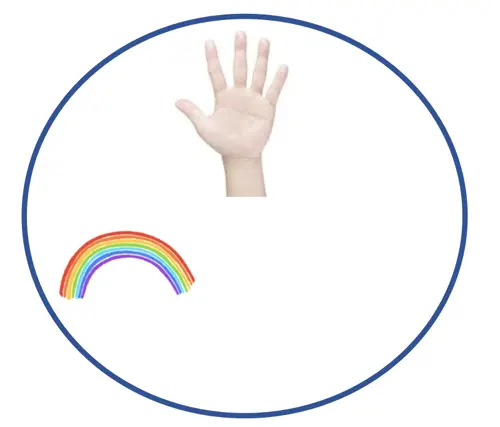
"Let's play a matching game." Hold a picture and ask: "How do you know there is a rainbow in the sky? Can we touch it with our hands? Can we smell it with our nose? Can we hear it with our ears? Can we taste it with our mouth and tongue? No, but we can see the rainbow in the sky with our eyes. So let's place the rainbow below our eyes."
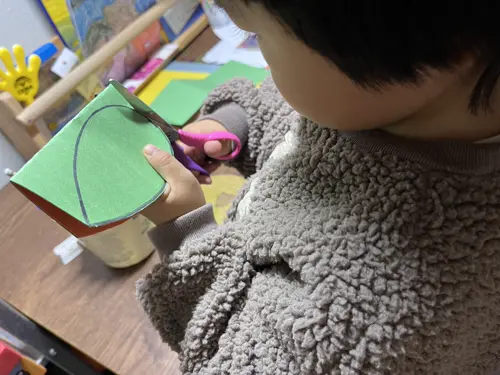
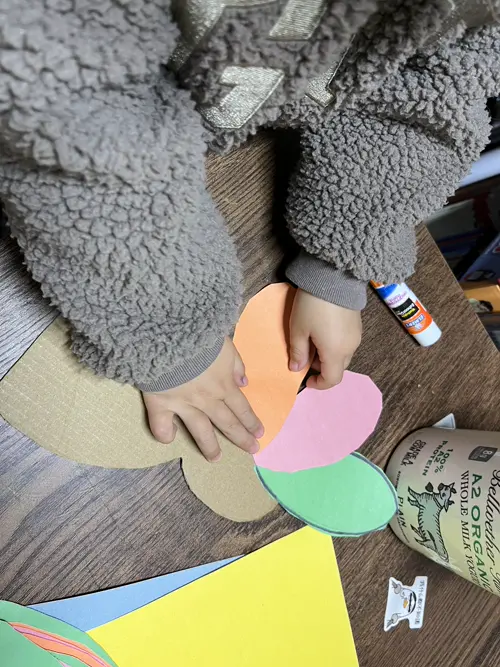
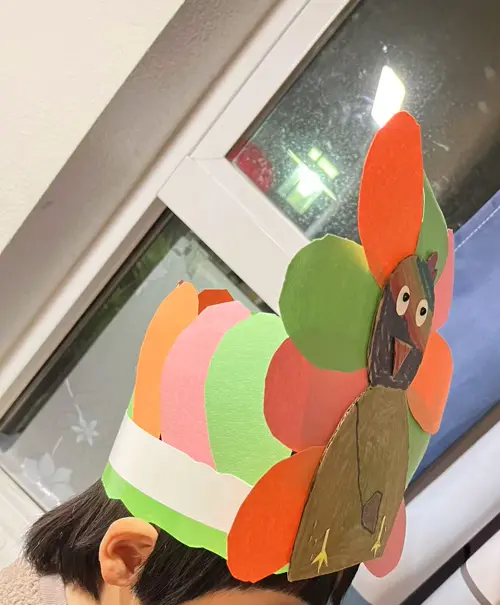
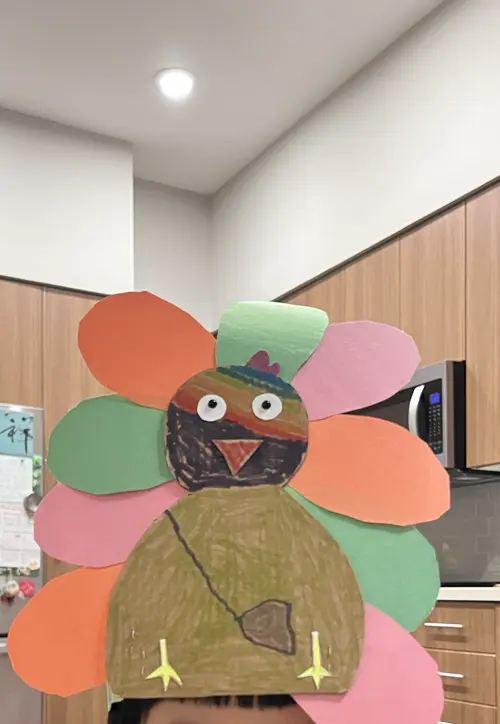
• "10 Little Turkeys"
• "稻草里的火鸡" (Turkey in the Haystack)
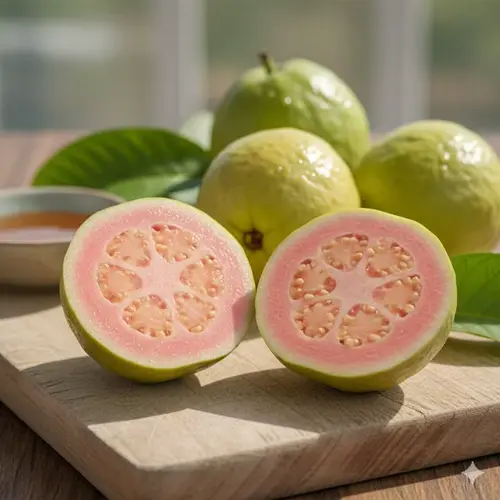
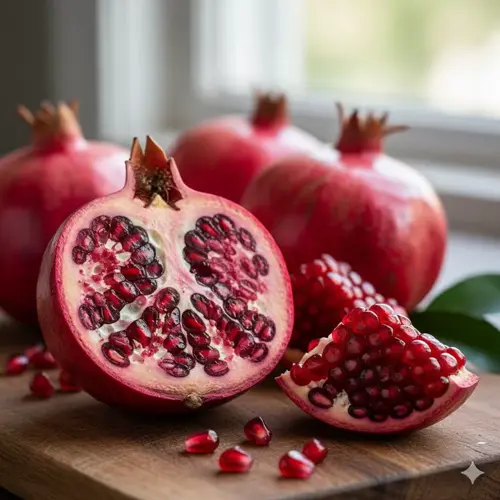
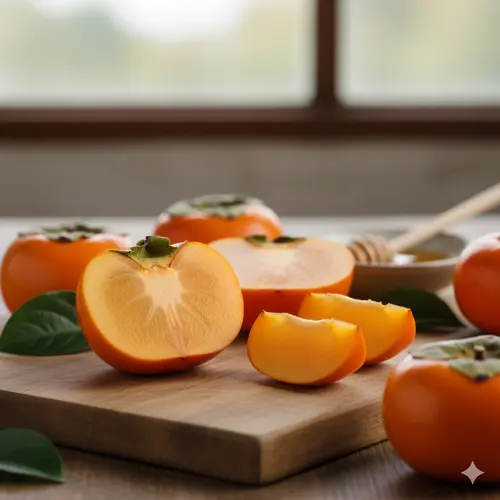
Learning the names of seasonal fruits in Chinese and English:
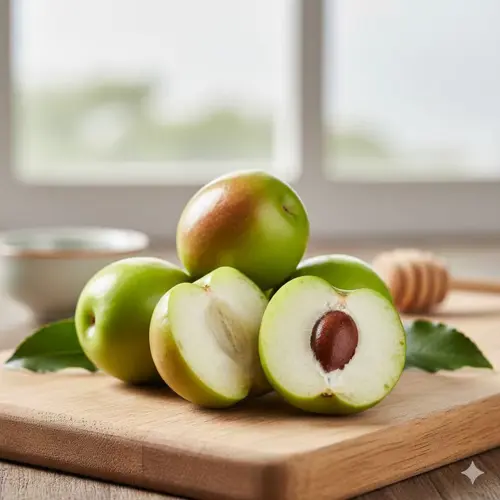
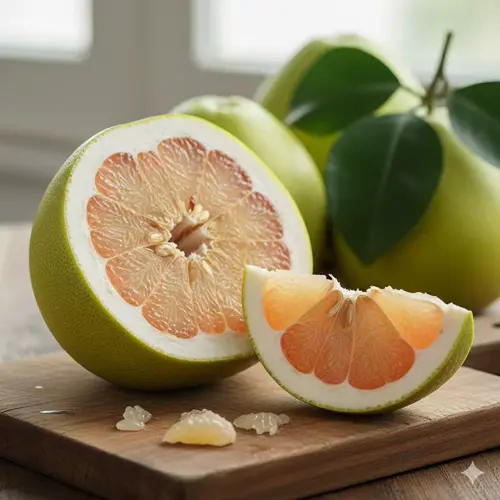
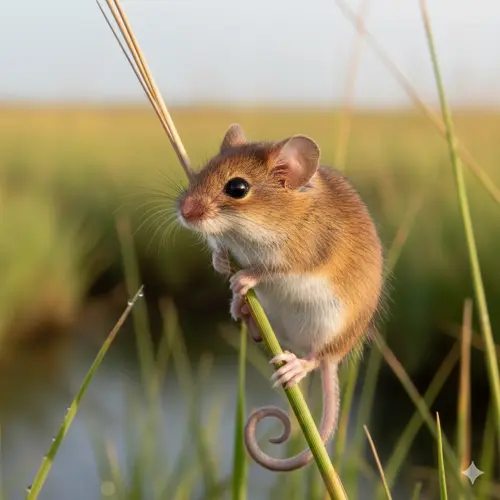

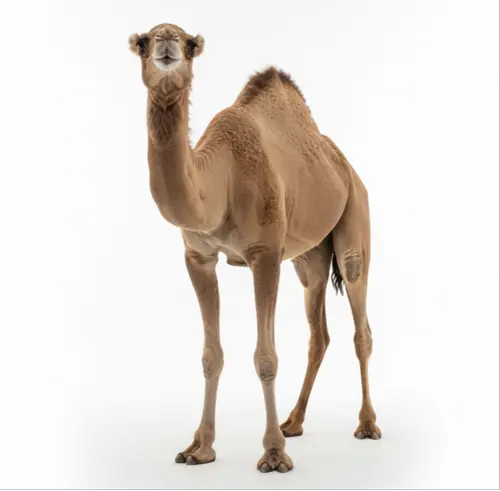







Learn More: Visit the U.S. Fish & Wildlife Service official page for detailed information about this endangered species.
了解更多信息,请访问美国鱼类和野生动物管理局官方网站,获取关于这种濒危物种的详细资料。
Activities and Learning Highlights
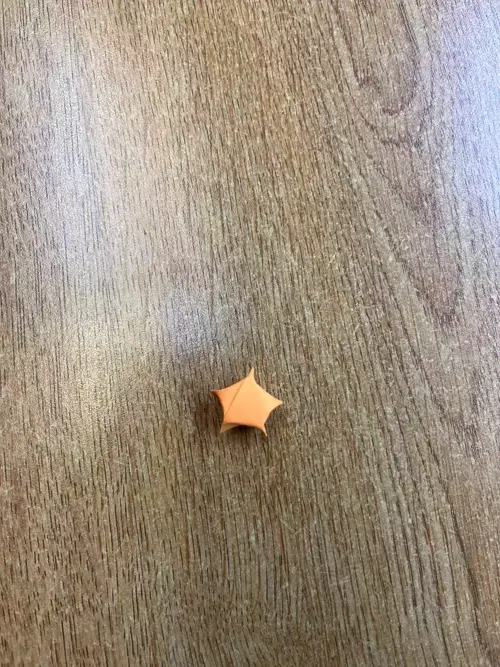
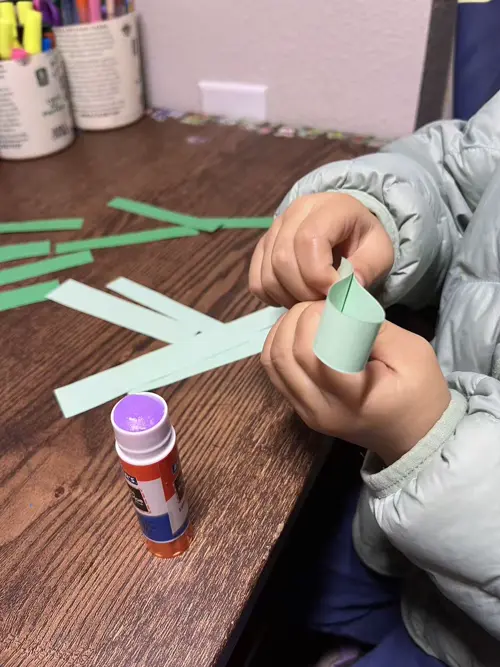
This is a fun, beginner-friendly holiday craft that helps kids practice fine motor skills while making a beautiful 3D decoration.
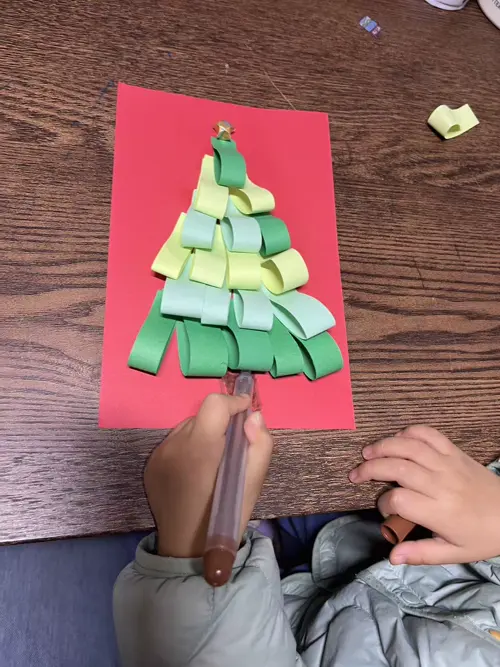
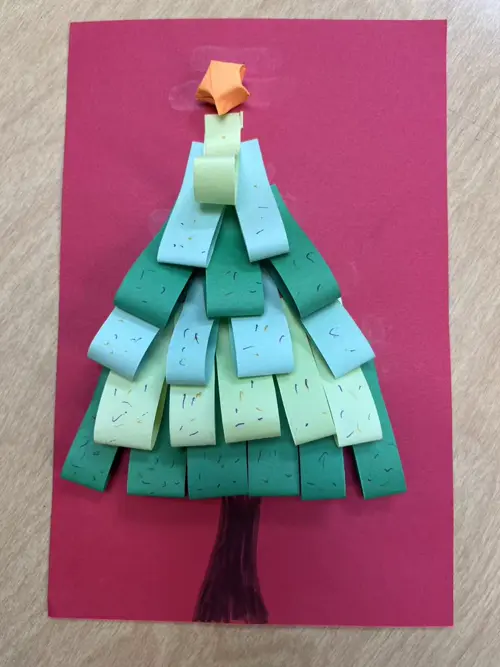
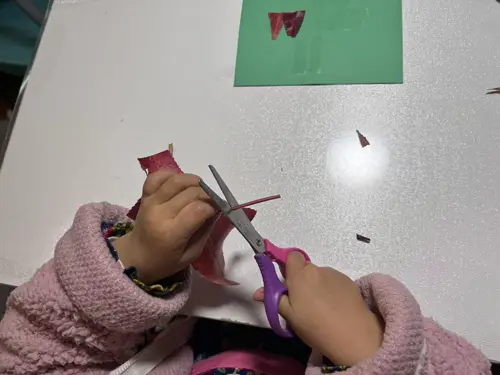
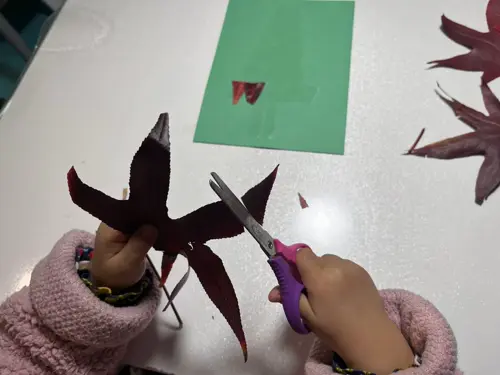
Turn a handful of fallen leaves into a beautiful piece of art! This is a fantastic sensory activity that helps children practice their fine motor skills and scissor safety.
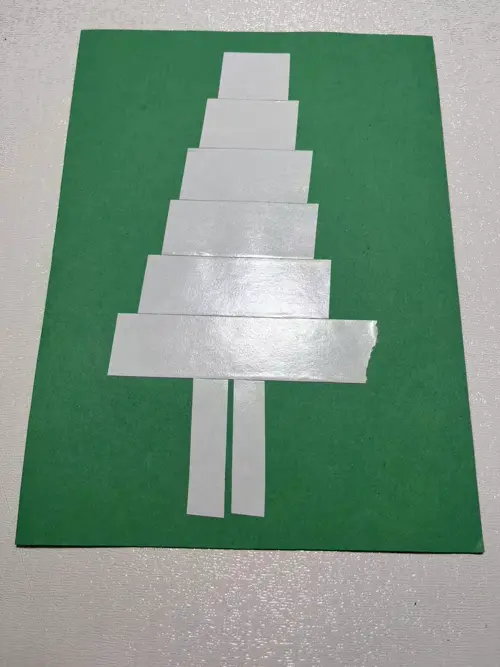
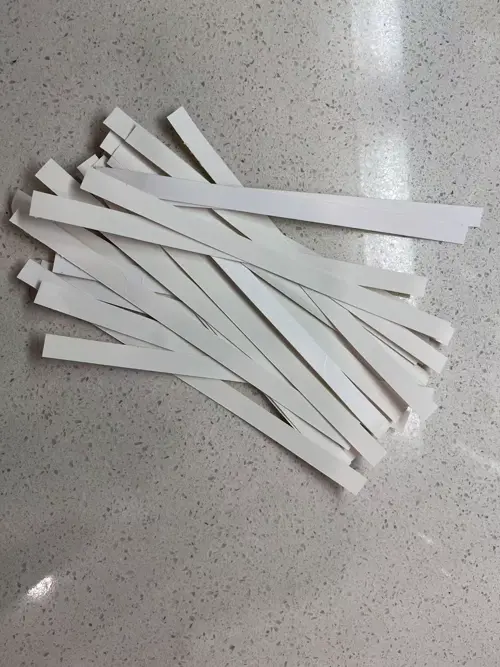
step 1: Create the Framework (Images 1-2) Apply strips of wide double-sided tape
onto the green
paper. Arrange them in a tiered pyramid shape to resemble a pine tree, adding two vertical
strips at the bottom for the trunk.
💡 Tip: Keep the backing paper on the tape for now so you can adjust the spacing.
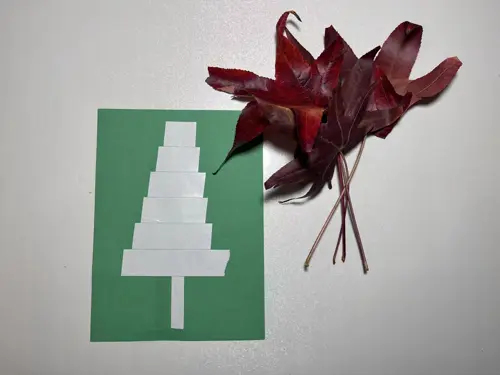
Step 2: Make Leaf "Confetti" (Images 3-4) Peel off the backing paper to reveal
the sticky
surface. Hand over the scissors and let your child cut the leaves into small, confetti-like
pieces.
✨ Educational Moment: This action is excellent for strengthening hand muscles and
practicing hand-eye coordination.
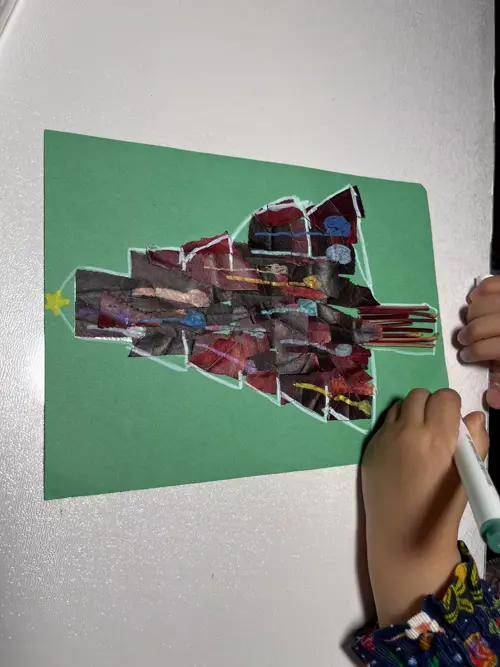
Step 3: Fill and Decorate (Image 5) Have the child press the leaf pieces onto the sticky tape sections. Encourage them to layer the pieces until all the white tape is covered with natural autumn textures.
Step 4: Finishing Touches Once the tree is filled, you can use a marker to outline the tree or draw a star on top to complete the look!🌟
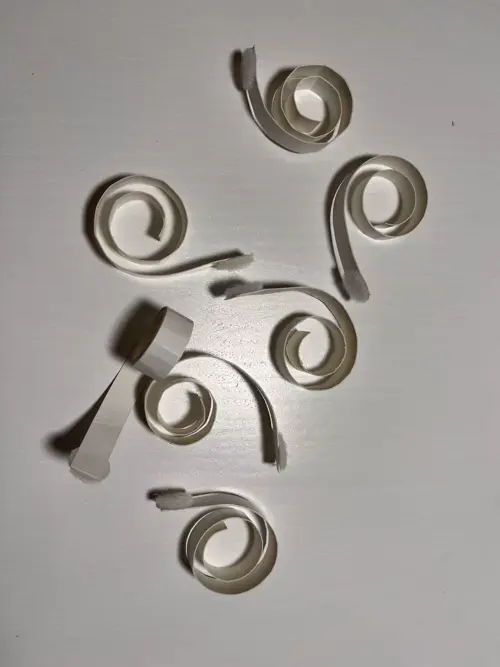
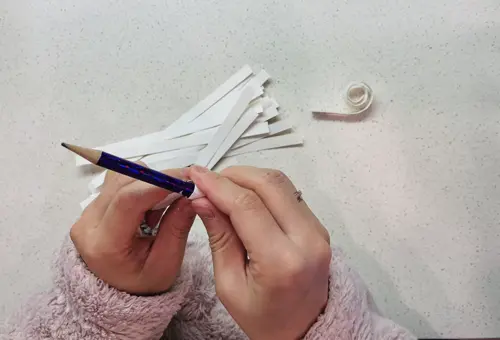
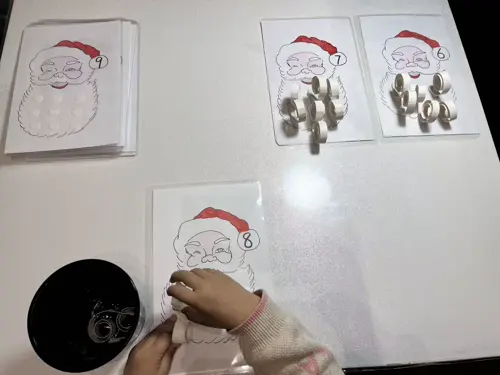
Transform into Santa in minutes! 🎅✂️ Join our DIY Beard Craft activity—it’s fluffy, festive, and full of fun.
STEM Projects section coming soon...
2025-12
2025-11
2025-10
Download section coming soon...
Bright Orange Studio (BOS) began with a simple idea:
to create a space where early STEM, art,
nature, and culture grow together.
We believe the most powerful scientific thinking in early childhood comes from the real world:
rainbows, tree bark, ocean wind, sand textures, birdsong.
These moments spark curiosity long before worksheets ever can.
What We Do
BOS brings together:
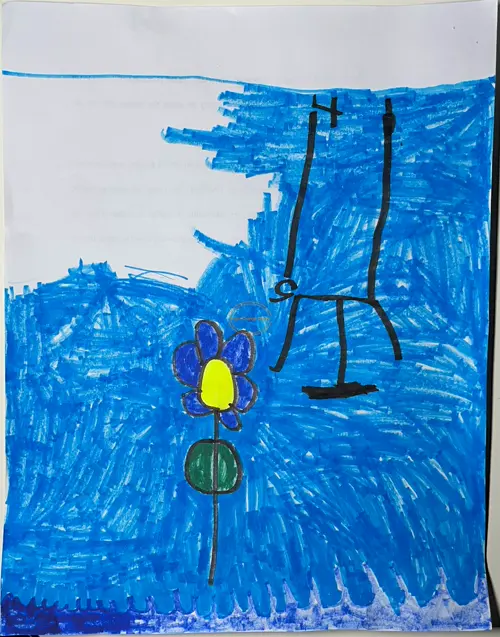
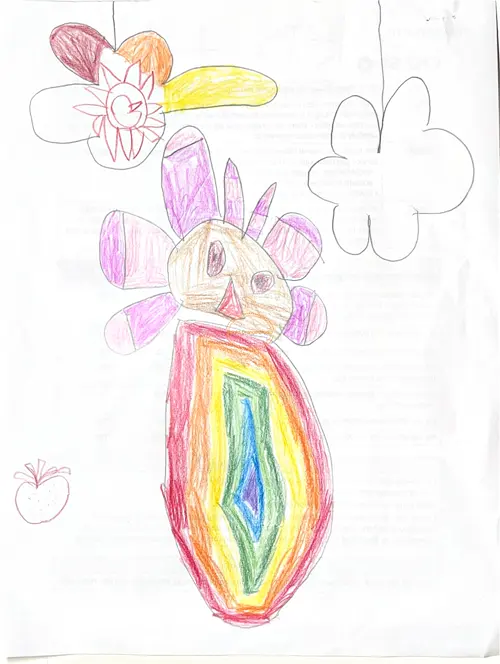
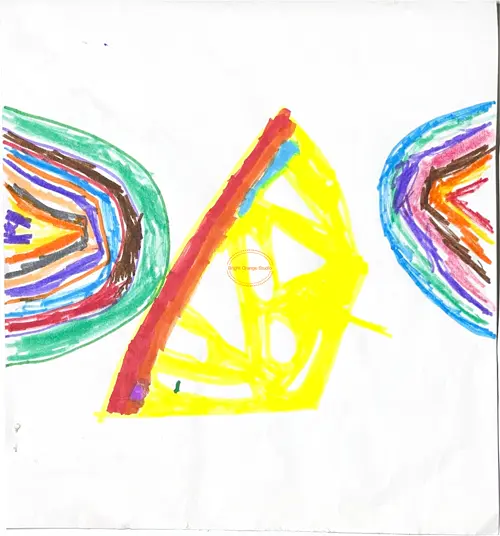
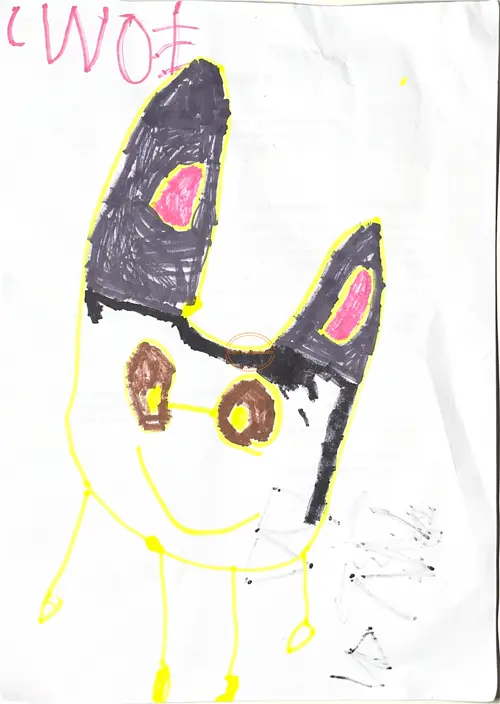
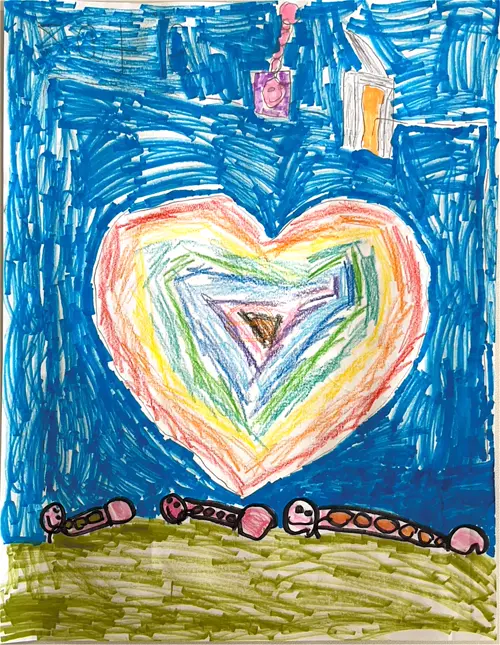
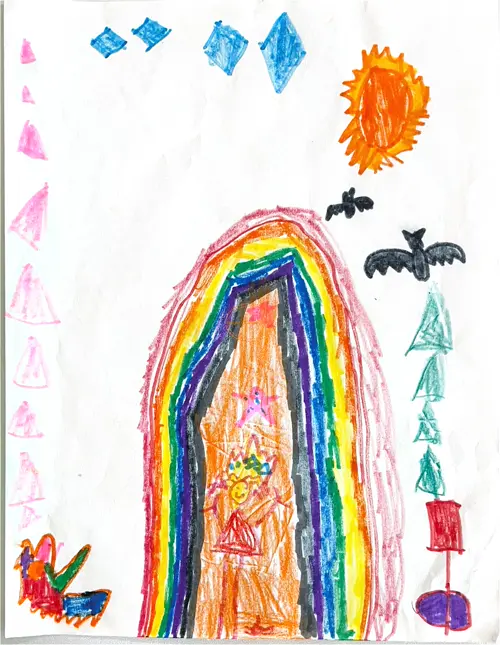
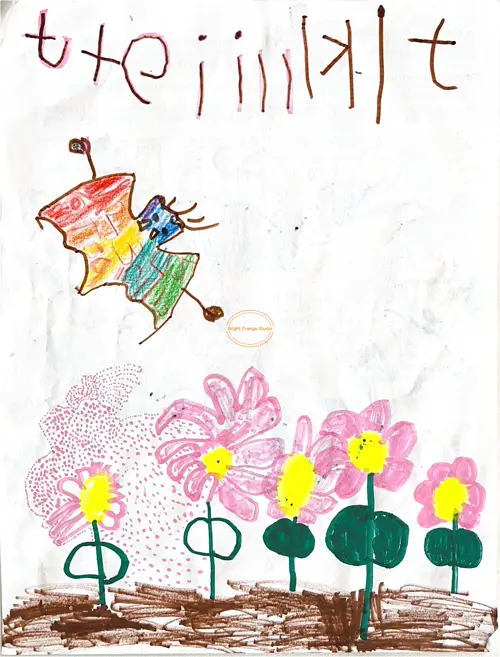
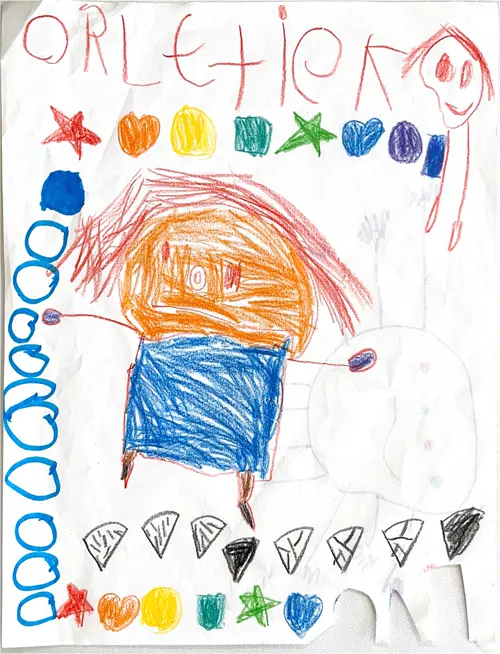
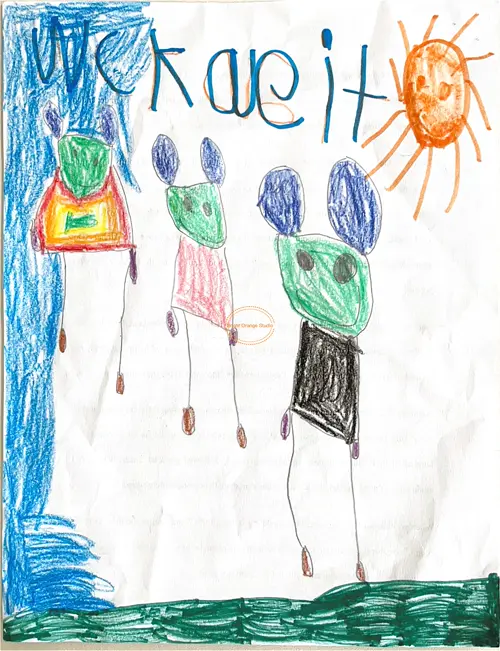
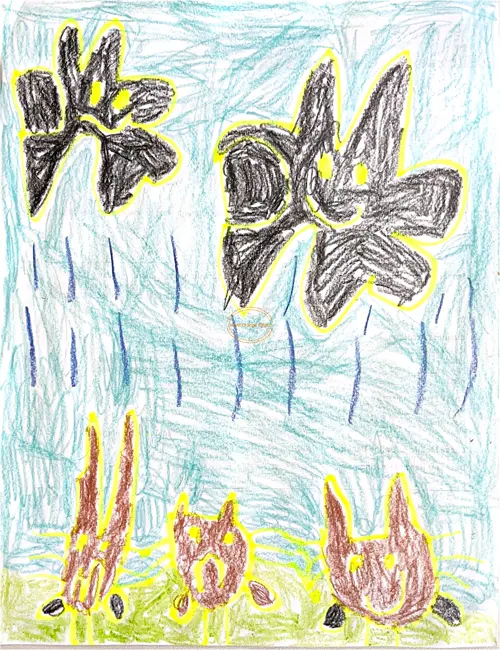
We also document how a child sees the world through art, not as display pieces, but as early evidence of pattern, structure, emotion, and logic.
These principles guide everything we design at BOS and align with national priorities in the U.S. in early STEM, environmental literacy, and culturally responsive education.